

Mockups
Lacking imagination

I have no idea if I have aphantasia. There are supposedly simple tests, but I overthink them. What am I really seeing when I close my eyes? Nothing is the literal answer. But I’m also able to imagine how 3D objects interact with one another, which is one of the things that makes me a capable builder… so who knows.
But I do know that it’s MUCH easier for me to make design decisions from a mockup than my own imagination. Imagining two shades of red on a wall is tough. Swatches help, but better still to Photoshop the entire wall and compare images side-by-side. My confidence and capability grow the closer I approximate the real thing. I’ve built most of our projects in SketchUp. Rendered textures and colors onto those that mattered and have paid for higher quality renderings than I could manage when it really mattered. When we were choosing some gravel for the front yard I Photoshopped globs of rock onto yard pictures to see how they felt together. I’ve edited in rugs and furniture fixtures. And when Molly has asked “Which outfit do you prefer?” I usually take photos of both to immediately reference side-by-side, unable to hold the two images in my head well enough to render a confident verdict.
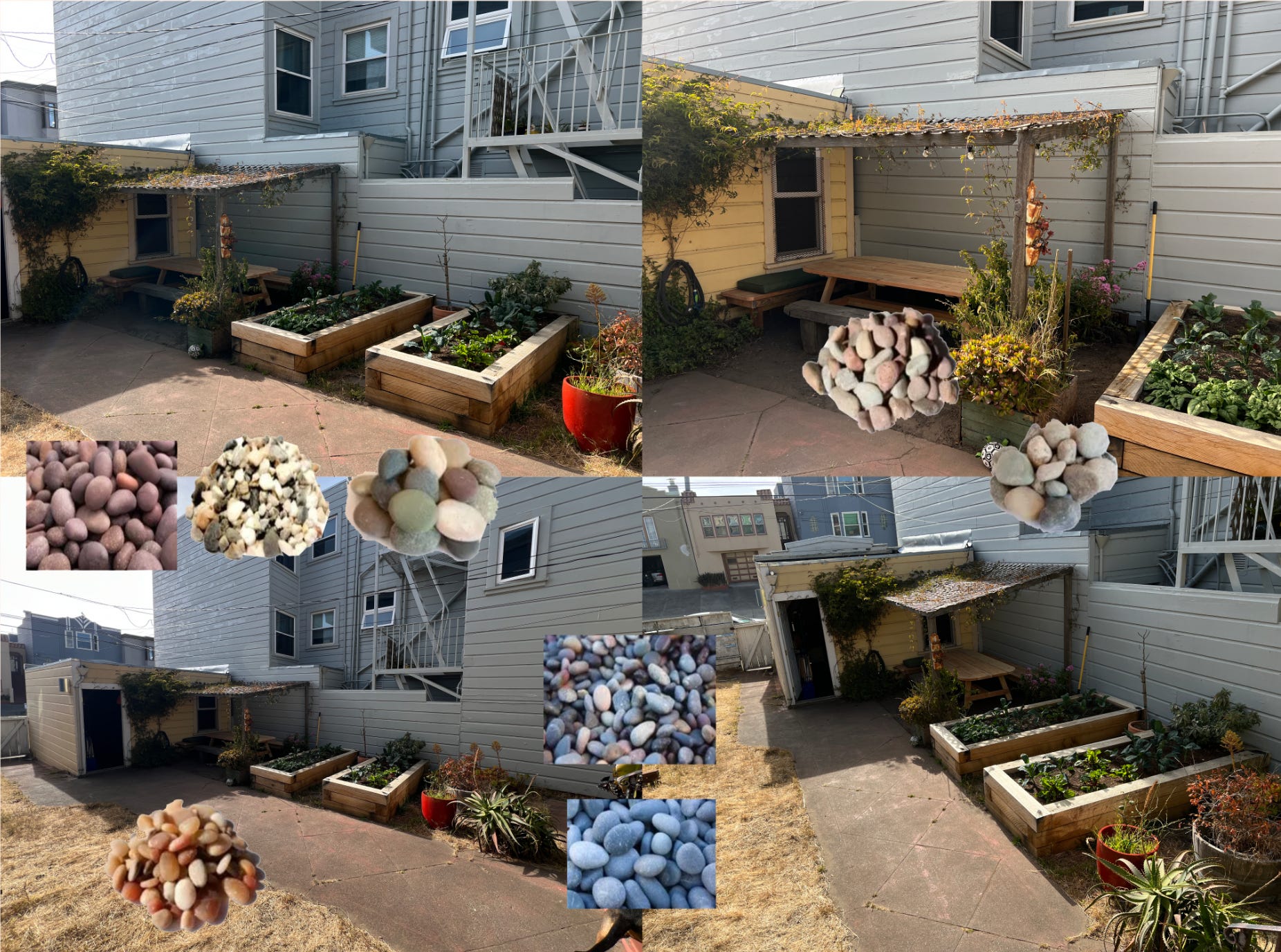
Whatever is going on in my head (or not), relying on samples, mockups, renderings, and tests has made me a better designer. I’m just not a great one. My intuition is only so so. But if I’m staring at a handful of truly fleshed out options I can probably suss out which is better and what works or doesn’t. Much of my design/build game has been elevated through basic Photoshop skills and the many hours spent putting them to use. The good news for others is that AI has leveled that playing field. But regardless, it can still be a good bit of effort, testing and retesting, especially when it comes to making the leap from computer to the real world.1


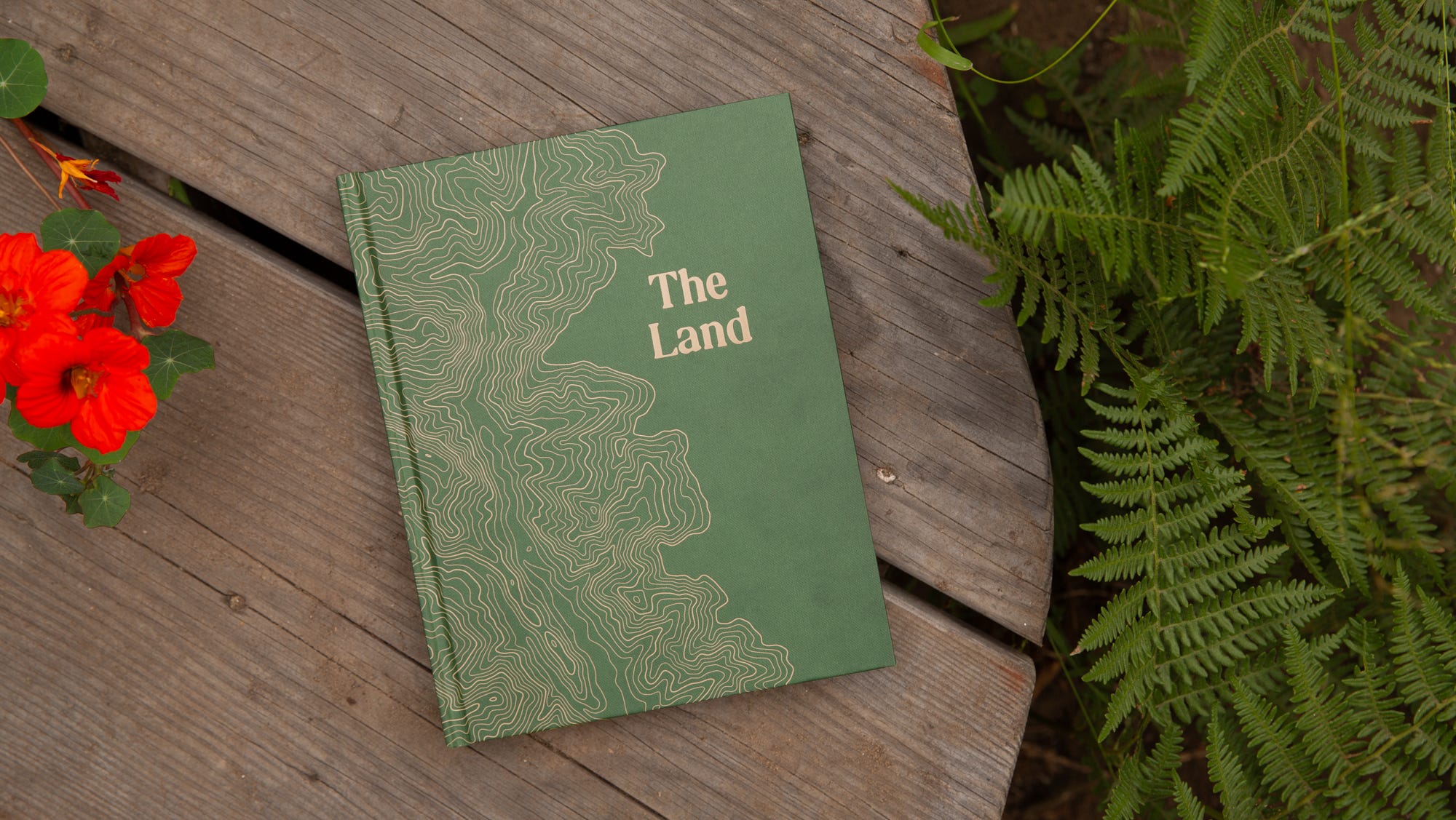
As I wrote a while ago Molly and I have been working on a book about our property and projects. It’s finally done and (barring any unexpected conflicts) that Kickstarter will go live in 12 days, on July 28th, and those books will be for sale.
What’s really drawn out the final days of book-work has been choices around the cover material, foil stamp colors and finish, font and photo presentation… that transition from digital project to physical good.2
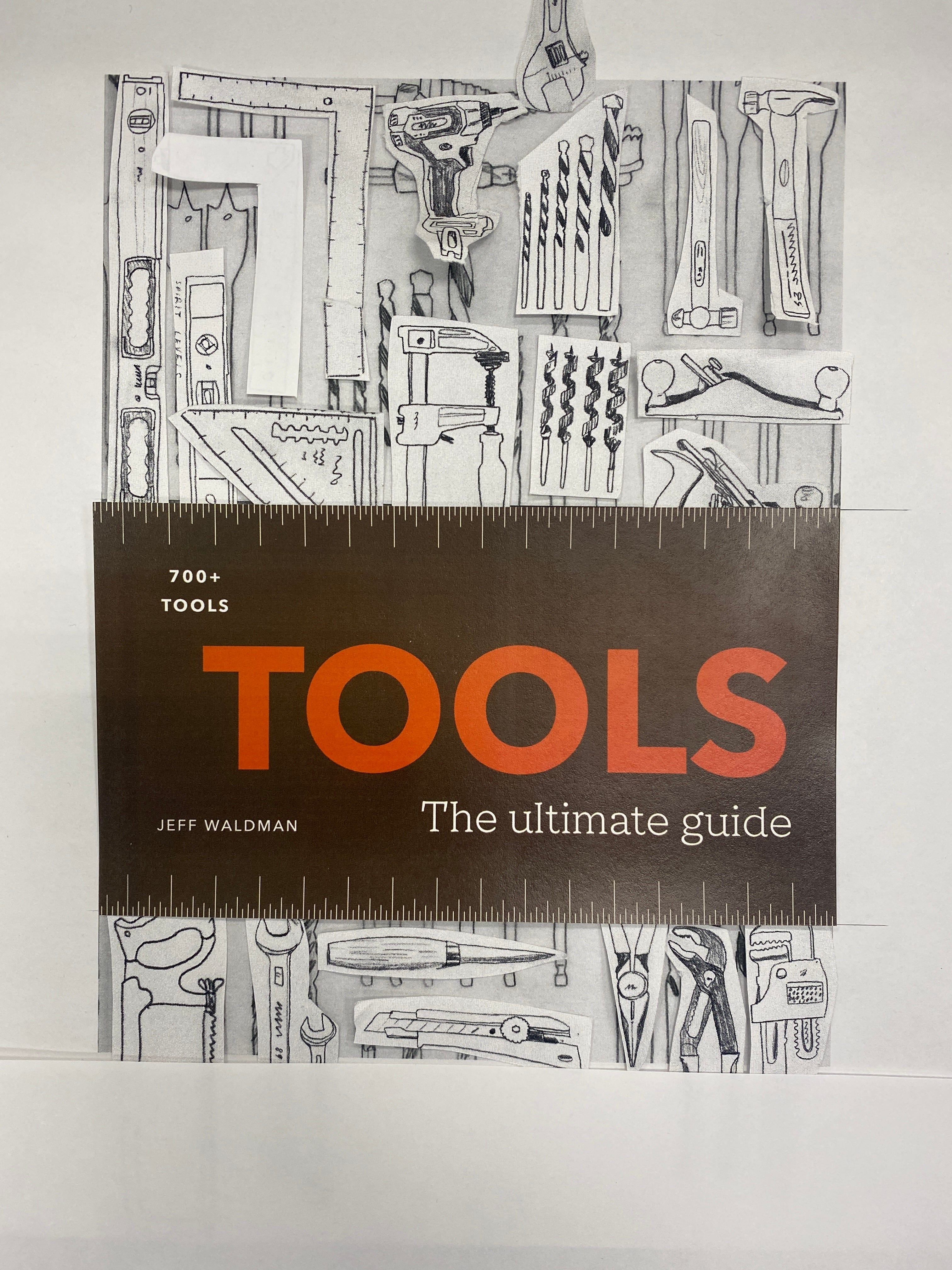
The only way I could feel good about those decisions was to experiment with options and to hold them in my hand. So we (and our designer Beth Bugler) played with color palettes and ordered cover samples and foil samples and paper samples. I photographed and color corrected those swatches and mocked them up in Photoshop. We had books sent to us that used the same materials and paper weights. We ordered a set of stamped covers—then ordered even more. We proofed 32 pages of the book. Then edited photos and font presentations and proofed 32 pages again. But proof sheets are large and creased and have white borders and it can be difficult to appreciate how a trimmed page will look within the context of the bound book. So I took those sheets to the print shop and used their paper cutter to trim them them. I printed the end sheets that would go inside the covers and glued those into our test covers and Molly and I would flip through the fake book assemblies to get a feel for our approximation of the real deal.


All of this cost, by the way. Effort, sure, but also cold hard cash. I don’t imagine there was ever a world in which this whole book boondoggle was a money-making venture. Not notably anyway. But each test has chipped away at that meager bottom line. That’s the price paid for wanting to feel good—great—about the final product and lacking imagination (Aphantasia? We’ll never know) or a killer design intuition. The only way I could personally approach the project was through iteration and seeing (ideally, holding) every possibility side-by-side. There’s literally been a hundred mockups and I honestly couldn’t have gotten by with any fewer. That’s just my process and how I compensate for imagination inabilities (Disabilities? We’ll never know.) But the upshot of it all is that I finally do feel great about where it’s landed.
DIRECT TO YOUR INBOX
NEW TO THE NEWSLETTER? TO BUILDING?
Start with these posts on Project Planning and Construction Basics.
Or these posts on Community Building.
Or browse. Posts wander from friendship, to workshops, to tools, to explosives. Because we contain multitudes.
elevatedspaces.ca | Instagram | YouTube
Jay builds small models for his builds from wood and hot glue, so that’s an option. But I find digital better for my process because I need to endlessly revise. Your mileage may vary.
Very relatable, I can't make any decisions without AI mocks these days! Can't wait to hit that kickstarter so hard. Congrats!
I’m a wannabe garden designer and I don’t have that condition but I do this stuff too.
I consider what I picture in my head is either fantasy inspiring me or a theory to test and I use collages and AI to try and get a stronger sense of reality before acting on it.
I think I want light gravel because I’m thrilled by light bouncing up. But will be too bright?
Maybe it ties in with A and B but will that cheap planter look more blue than grey?
I have ADHD so I also have to counter weight ideas. Is this a good design choice or am I stimulated by a new idea? Will I still think x is good in three days time. Am I being reactionary?
I guess you also have tonnes of real life experience to draw from. Do you remember the outcomes / combinations? Or are all your design decisions new if you can’t picture them?